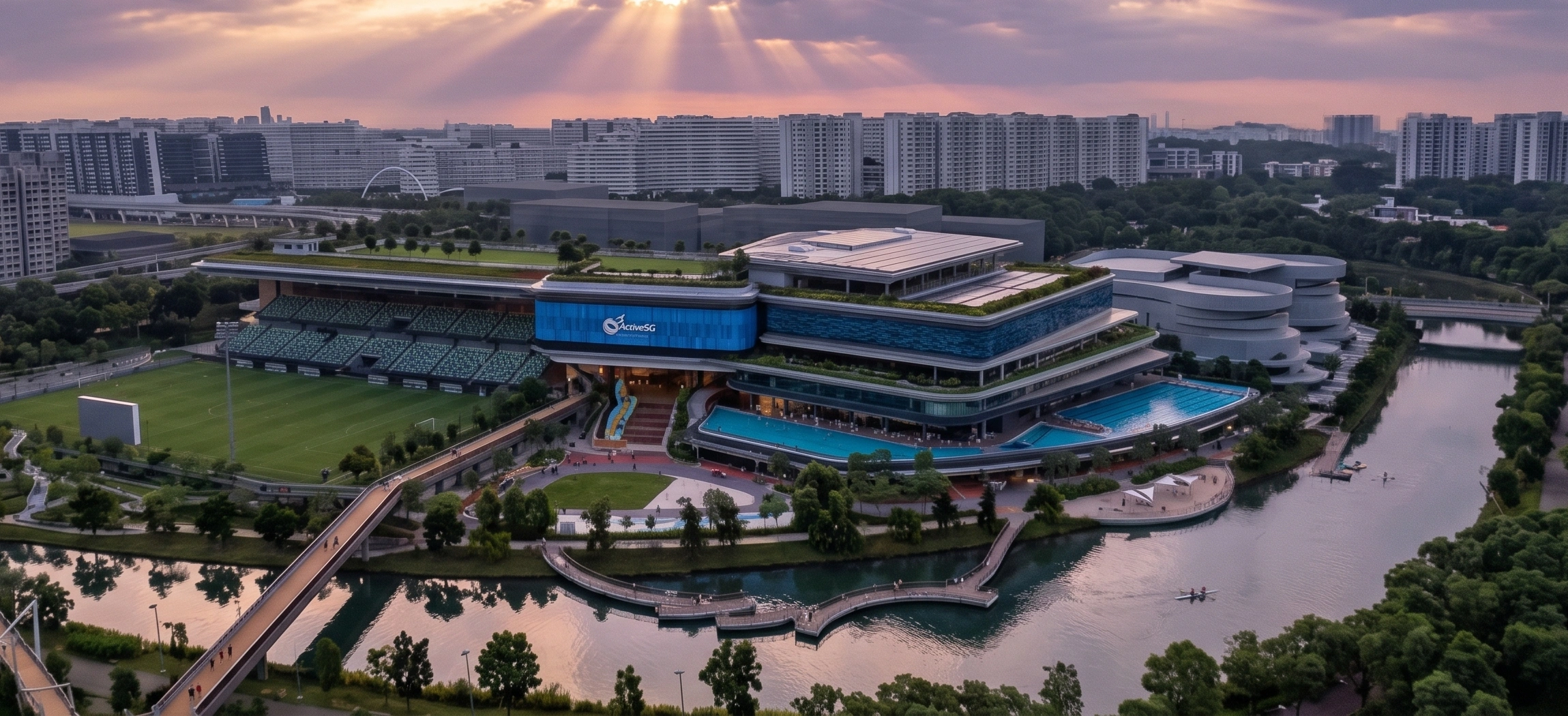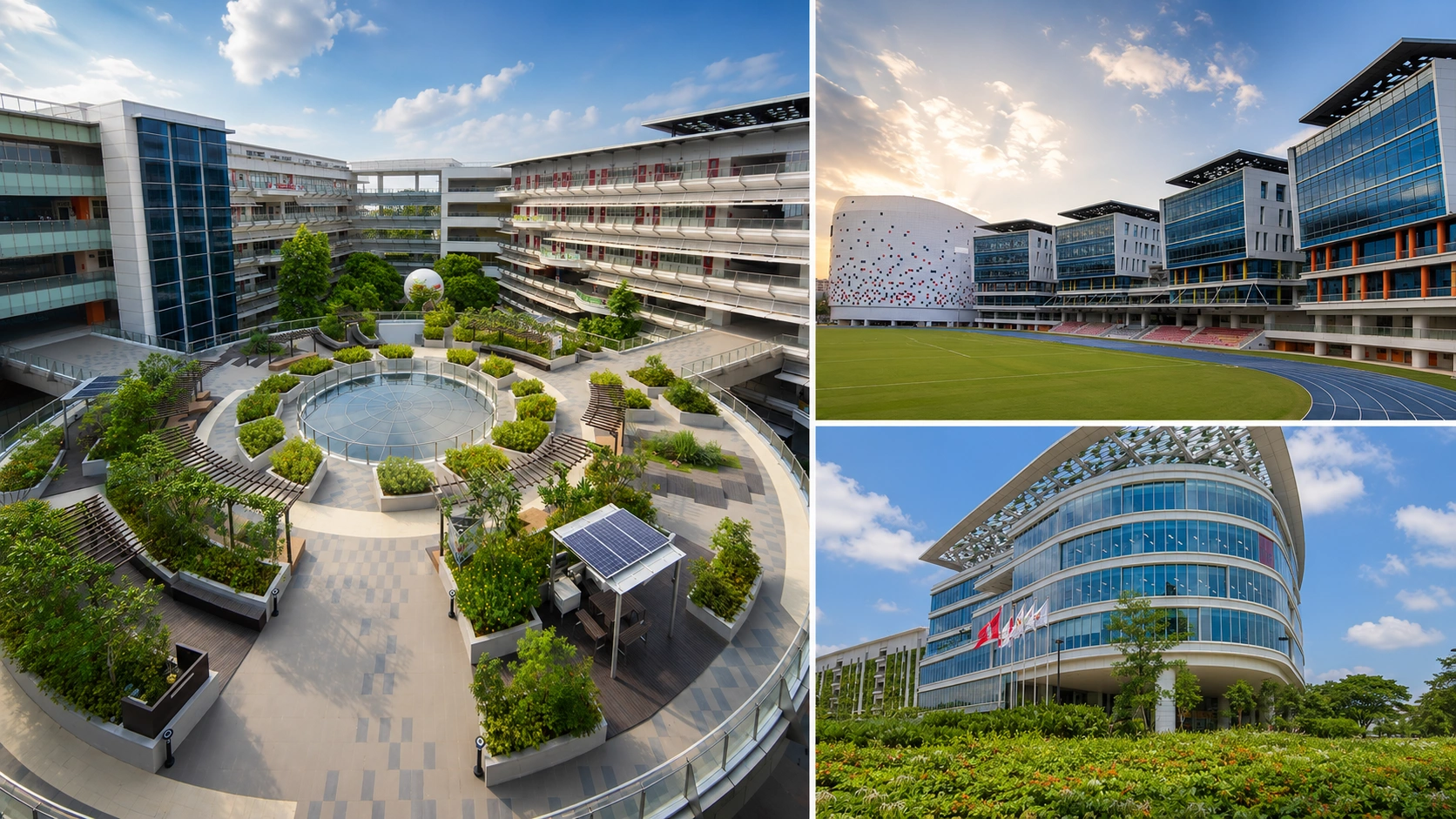
The Singapore Food Agency Marine Aquaculture Centre (MAC), located at St John’s Island, is a specialised national facility supporting aquaculture research, marine livestock sustainability, and Singapore’s food resilience strategy.
The facility depends on controlled marine environments for the study, breeding, and cultivation of aquatic species. Unlike conventional buildings, MAC operates with seawater systems that function as life-support infrastructure. Seawater is continuously drawn, treated, circulated, and discharged through intake and discharge pipelines that directly support aquatic habitats within the centre.
This operating environment places higher demands on facilities management. System reliability is essential to biological stability, research continuity, and day-to-day aquaculture operations. Any disruption to seawater infrastructure can affect water conditions, operating performance, and the continuity of research activities.
The site also presents specific environmental and logistical constraints. Its marine setting exposes assets to high salinity, humidity, ultraviolet exposure, and accelerated material degradation. Its remote island location further affects manpower deployment, equipment mobilisation, material delivery, and emergency response planning.
Cyclect Facilities Management supported MAC by addressing recurring failures in the seawater discharge pipeline system. The work required a shift from reactive repair towards a more durable engineered approach, with attention to asset reliability, maintainability, and continuity of critical seawater operations.
Scope Highlights
- Facilities management support for marine research facility
- Seawater discharge pipeline rectification
- Support for critical life-support infrastructure
- Asset reliability improvement in marine conditions
- Coordination for remote island site operations
- Maintenance planning for aquaculture facility systems
Key Site Characteristics
- Controlled marine aquaculture environment
- Seawater intake and discharge systems
- Life-support infrastructure for aquatic habitats
- Harsh marine exposure and material degradation risks
- Remote island access and logistics constraints
- Research-critical operations requiring continuity